







Torn between the character of a historic Winnetka home and the convenience of new construction? You are not alone. With tree-lined streets, proximity to Lake Michigan, and a strong single-family fabric, Winnetka gives you compelling choices on both sides. In this guide, you will compare architecture, maintenance, costs, resale, and local approvals to choose with clarity. Let’s dive in.
Historic and new in Winnetka
Winnetka’s appeal centers on residential streets, nearby parks and lake access, and commuter options to the city. Many buyers care about school districts, lot size, and walkability to Metra. Limited vacant land often pushes decisions toward renovation or teardown on existing lots. Those realities shape whether a historic property or a new build fits your goals.
Architecture and lot differences
Historic home traits
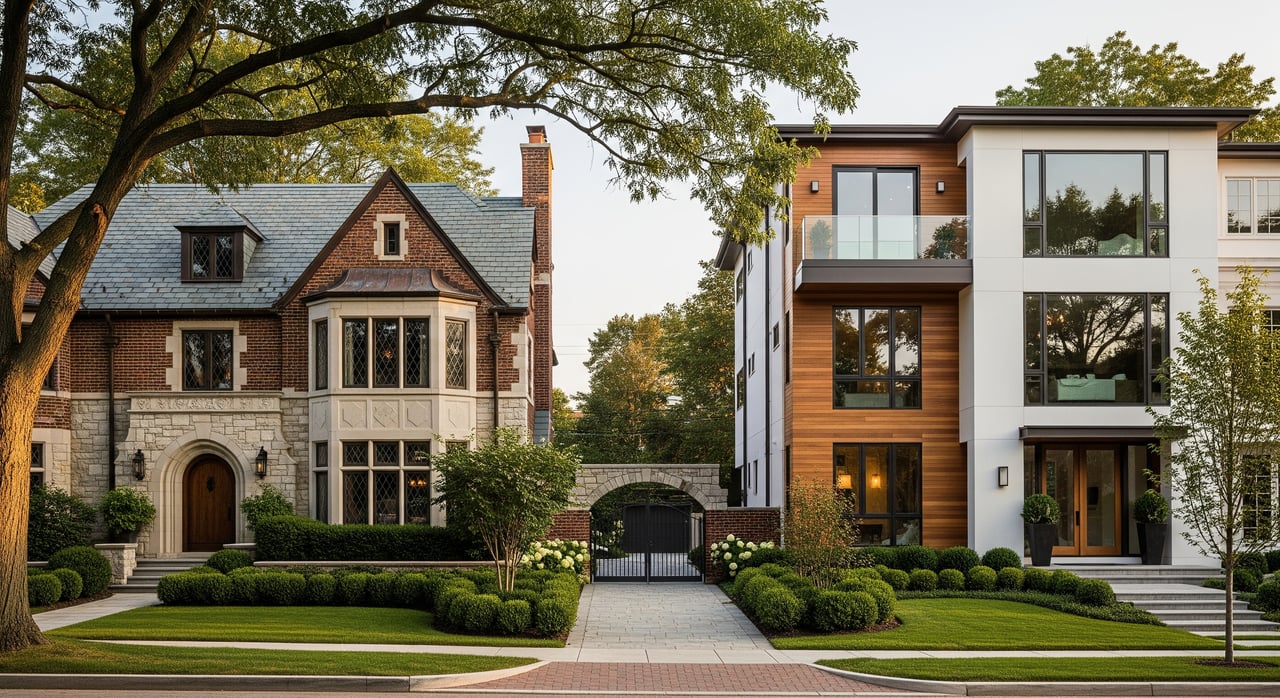
Historic homes in Winnetka often date from the late 1800s through the mid-1900s. You will see formal rooms, original millwork, hardwood floors, and masonry foundations. Mature trees and landscaping are common, and setbacks reflect the era of development.
New construction traits
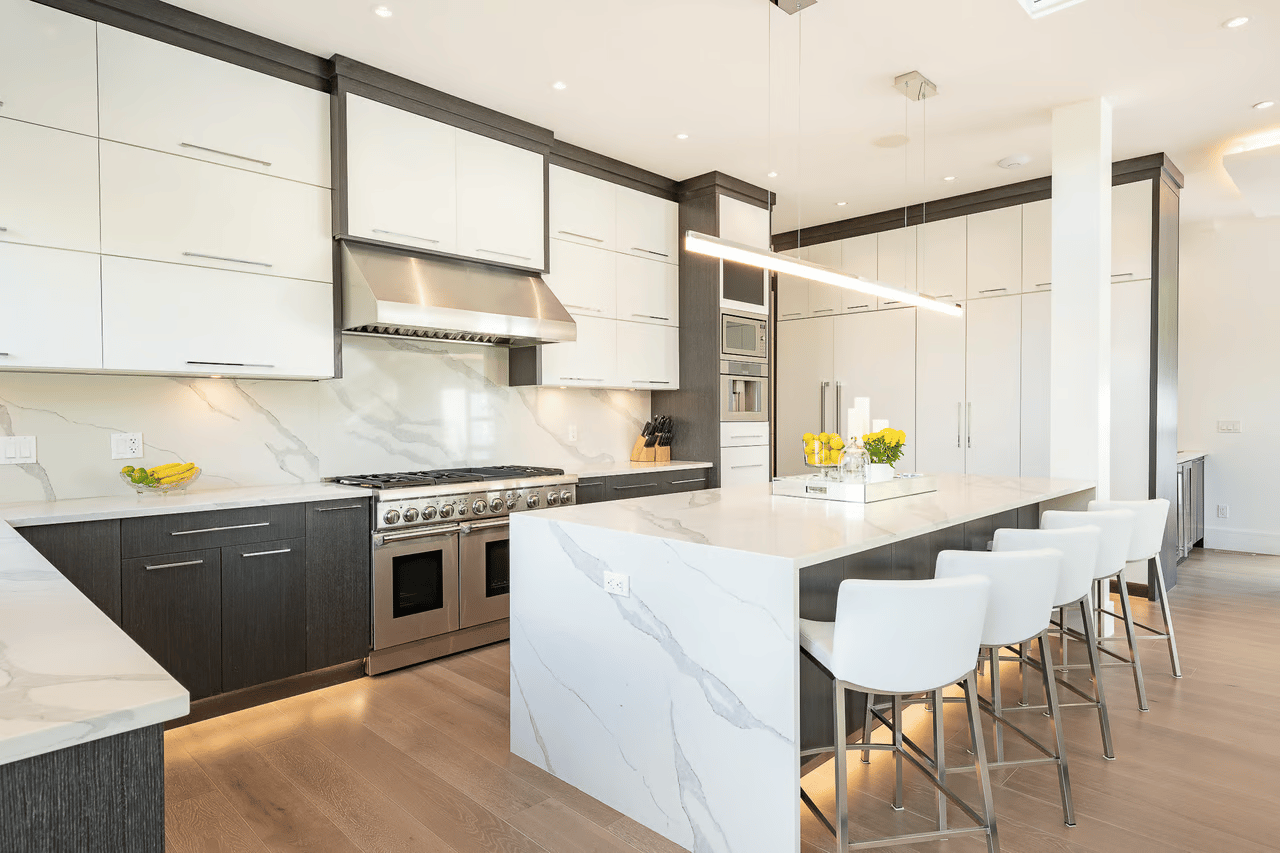
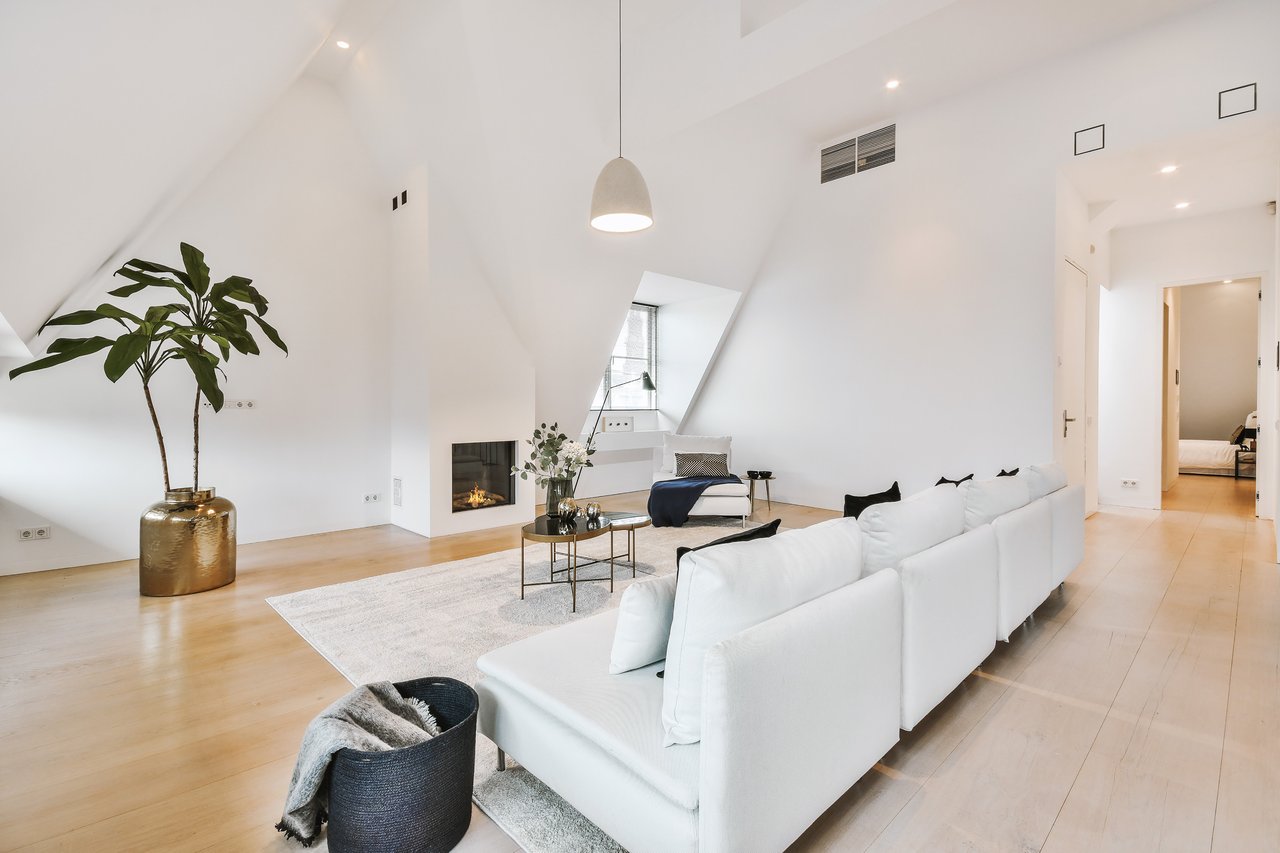
New builds tend to feature open plans, larger kitchens, higher ceilings, and integrated indoor to outdoor spaces. Attached garages are typical. On infill lots or subdivided parcels, yards can be smaller than in older blocks.
Systems and energy performance
Historic homes may include older HVAC, plumbing, or electrical systems unless recently updated. Common upgrades include insulation, window improvements, panel modernization, and replacing galvanized plumbing. You should also be aware of potential lead-based paint or knob-and-tube wiring in pre-1978 structures.
New construction is built to current code with new HVAC, plumbing, electrical, and insulation. It is easier to incorporate high-efficiency equipment, solar-ready design, and modern indoor air quality standards. Many builders offer warranties and may pursue energy-efficiency certifications.
Maintenance and inspection priorities
Historic home inspections
- Structural settling, masonry and foundation condition
- Roof, gutters, and flashing integrity
- Original windows, wood rot, and exterior trim
- Lead-based paint in pre-1978 homes and possible asbestos
- Electrical risks such as knob-and-tube or ungrounded outlets
- Plumbing age, including galvanized pipes and the sewer lateral
- Moisture and grading around older foundations
Historic materials like plaster, lime mortar, and original moldings may require specialists for proper repair.
New construction inspections
- Workmanship quality and code compliance
- Grading, drainage, waterproofing, and soil compaction
- Permit and inspection records from the Village
- Punch-list items and verification of warranty coverage
Costs: purchase vs lifetime
- Historic homes can command premiums in prized locations and for distinctive character. Lifetime costs may be higher if systems or specialized materials need replacement, and renovations can uncover hidden issues.
- New construction often costs more per square foot upfront but typically lowers near-term maintenance and energy bills. Custom features and high-end finishes increase both initial and future replacement costs.
Resale and marketability
- Historic properties attract buyers who value architectural character, mature lots, and neighborhood continuity.
- New construction appeals to buyers who want open layouts, modern kitchens and baths, and move-in readiness.
- The strongest choice depends on the buyer pool in your price tier and micro-neighborhood, so align your decision with likely demand.
Sustainability and incentives
Historic homes can be upgraded with insulation and efficient mechanicals, though landmark rules may shape exterior changes. Federal historic rehabilitation tax credits generally apply to income-producing properties, not owner-occupied homes. New builds make it easier to integrate green features, and federal or state programs may support energy improvements. Confirm current incentives with appropriate agencies before you plan.
Winnetka rules that affect projects
Who to contact
- Village of Winnetka Building and Zoning for permits, setbacks, lot coverage, stormwater, and tree protection
- Historic preservation authorities and the Winnetka Historical Society for landmark status, district boundaries, and review processes
- Cook County Assessor for assessments and property records
Common approvals and constraints
- Demolition review can involve notices, hearings, or delays, especially for historically significant homes.
- Landmarked properties or districts often require design review for exterior changes and may limit visible alterations like windows, porches, or roofs.
- Zoning regulates floor-area ratio if applicable, setbacks, height, accessory structures, and parking.
- Tree preservation and stormwater rules may require permits, replacement plantings, and drainage plans, especially near ravines or the lake.
How rules impact budgets and timing
Historic review, demolition processes, and multi-agency permits can add weeks or months and may require design changes. Tree mitigation, site work, and engineering can raise costs on infill or sensitive sites. Engage Village staff early to clarify requirements and avoid rework.
Buyer checklists
Historic home buyer checklist
- Request renovation records, permits, and maintenance history.
- Schedule a full inspection, plus specialists for structure, masonry, roof, electrical, plumbing, sewer lateral, and potential hazards.
- Verify whether the property is landmarked or in a historic district and what exterior rules apply.
- Review energy performance and budget for upgrades.
- Discuss insurance, including replacement cost for older construction and any specialty coverage.
New construction buyer checklist
- Verify builder credentials, references, and past projects in the North Shore.
- Confirm timeline, warranty coverage, and how change orders are handled.
- Request foundation and soil reports and confirm inspection schedules.
- Check grading and stormwater compliance.
- Get a detailed list of finishes and allowances to control costs.
Seller checklist for historic homes
- Gather documentation, including permits, service records, and any original plans.
- Consider a pre-listing inspection to identify repairs and get contractor estimates.
- Disclose exterior change requirements if the home is landmarked or in a district so buyers can plan accordingly.
Financing and appraisal notes
Appraisals rely on comparable sales. Unique historic homes may need adjustments for character versus condition if comps are limited. New construction may appraise at or above recent comps depending on finishes and location. Renovation loans, such as FHA 203(k) or Fannie Mae Homestyle, can help buyers fund upgrades on older homes if the project scope fits program rules. Lenders sometimes require final inspections or completion documents for new builds before funding.
Hidden costs to watch
- Historic: specialized contractors and materials, periodic masonry or wood-trim maintenance, possible higher insurance, and surprises behind walls during renovations.
- New construction: premium purchase price, potential punch-list fixes, and future replacement costs for custom systems or finishes.
Which is right for you?
Choose based on how you live and what you want to maintain. If you value character, mature lots, and craftsmanship, a historic home can be deeply rewarding if you budget for upgrades. If you prefer open layouts, modern systems, and lower near-term maintenance, new construction offers convenience and efficiency. Either way, align your choice with local approvals, your project tolerance, and likely resale demand.
Ready to compare options on specific streets and budgets, or coordinate inspections and permits? Connect with Vikes RE for a personalized, multilingual consultation tailored to Winnetka and the North Shore.
FAQs
How do costs compare for historic vs new homes in Winnetka?
- Historic homes can have higher long-term maintenance and upgrade costs, while new construction typically has a higher upfront price but lower near-term operating costs.
Are there rules that limit changes to historic homes in Winnetka?
- Landmark designations and historic districts often require exterior design review, and demolition proposals may face review or delay processes.
What inspections should I prioritize for an older Winnetka home?
- Focus on structure and masonry, roof, electrical, plumbing and sewer lateral, moisture and grading, and potential hazards like lead-based paint in pre-1978 homes.
How long does permitting take for a teardown and new build?
- Timelines vary, but demolition review, zoning, building permits, and stormwater approvals can add weeks or months depending on scope and site conditions.
Are there incentives for preservation or energy efficiency?
- Federal historic credits generally apply to income-producing properties, while energy-efficiency programs and any local incentives should be confirmed before planning.
How do appraisals differ for unique historic properties versus custom new builds?
- Historic appraisals may require more adjustments due to limited comps, while new builds are weighed against recent sales and cost-to-construct with finish levels considered.
What shapes buyer demand across Winnetka neighborhoods?
- School district boundaries, lot size, and proximity to Metra and parks often influence demand, so match your home’s features to the likely buyer profile.