






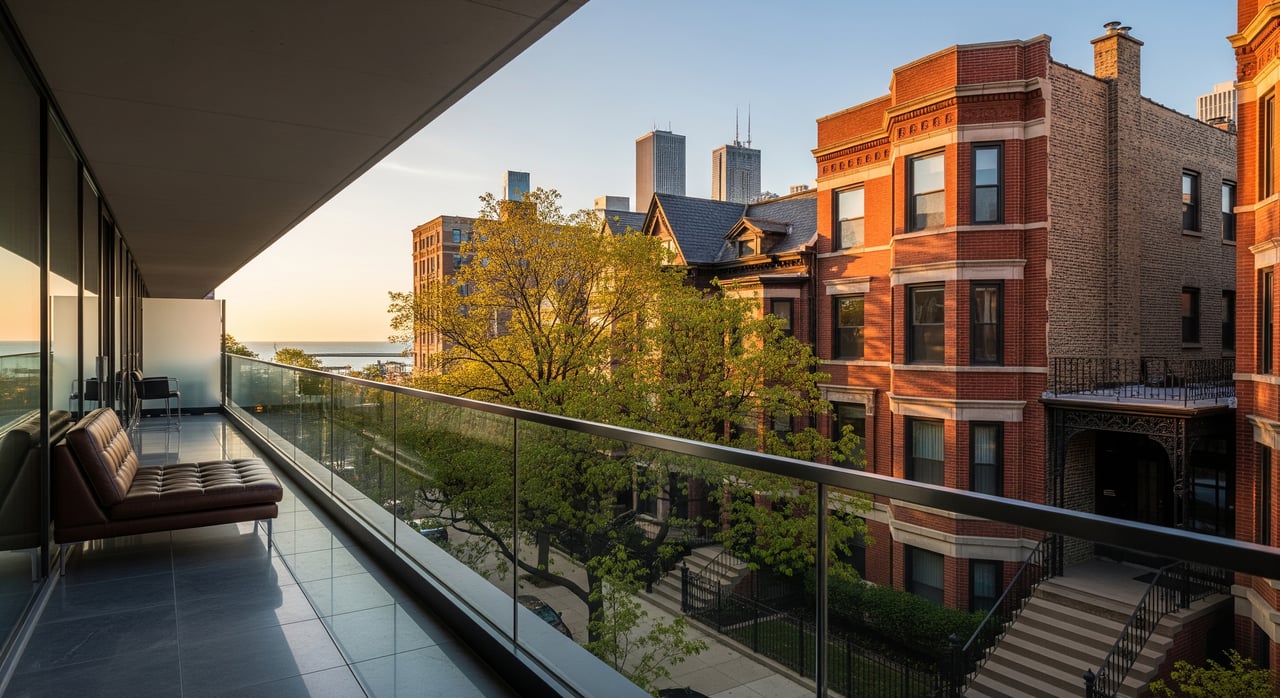
Thinking about a new place in Lake View but torn between a high-rise and a classic walk-up? You are not alone. Each option delivers a different mix of convenience, cost, and lifestyle. In this guide, you will get a clear, side-by-side view of what living in each building type really feels like, what it costs, and how to evaluate specific buildings in Lake View with confidence. Let’s dive in.
Lake View housing at a glance
Lake View is a North Side Chicago community with a wide mix of homes. You will see vintage walk-up condos, mid-rise buildings, and modern high-rise towers, especially near the lakefront and major corridors. Subareas like Southport Corridor, Wrigleyville, the Clark Street corridor, and the Belmont Harbor area shape demand and building styles.
Older masonry walk-ups often feature pre-war details and smaller associations. High-rises cluster along busier streets and the lakeshore and usually include elevators, on-site staff, and amenities. Mixed-use buildings with ground-floor retail are common along Clark, Broadway, Belmont, and Southport.
High-rise vs walk-up: quick comparison
- Accessibility: High-rises have elevators and controlled entry. Walk-ups rely on stairs and simpler common areas.
- Amenities: High-rises often include a gym, doorman or concierge, package rooms, and bike storage. Walk-ups provide few shared amenities.
- Monthly costs: High-rises typically have higher assessments due to staffing and complex systems. Walk-ups often have lower dues but can face special assessments for building projects.
- Noise and views: Upper floors in high-rises may offer skyline or lake views and reduced street noise. Walk-ups sit closer to street life and can experience more everyday noise.
- Parking: High-rises more often offer structured or attached parking. Many walk-ups have limited or no dedicated parking.
- Maintenance risk: Walk-ups may need roof or masonry work. High-rises have elevators and large mechanical systems that require sizable reserves and periodic capital projects.
- Resale pool: Walk-ups attract buyers seeking character and lower fees. High-rises appeal to those prioritizing amenities, views, and a full-service feel.
Lifestyle fit: how you live day to day
Walk-up living
Walk-ups connect you to the street and neighborhood quickly. Many have hardwood floors and historic millwork, and the community feel can be intimate. You will likely rely on nearby gyms, parks, and local shops instead of in-building amenities. Stairs matter, especially if you have mobility concerns or plan to age in place.
High-rise living
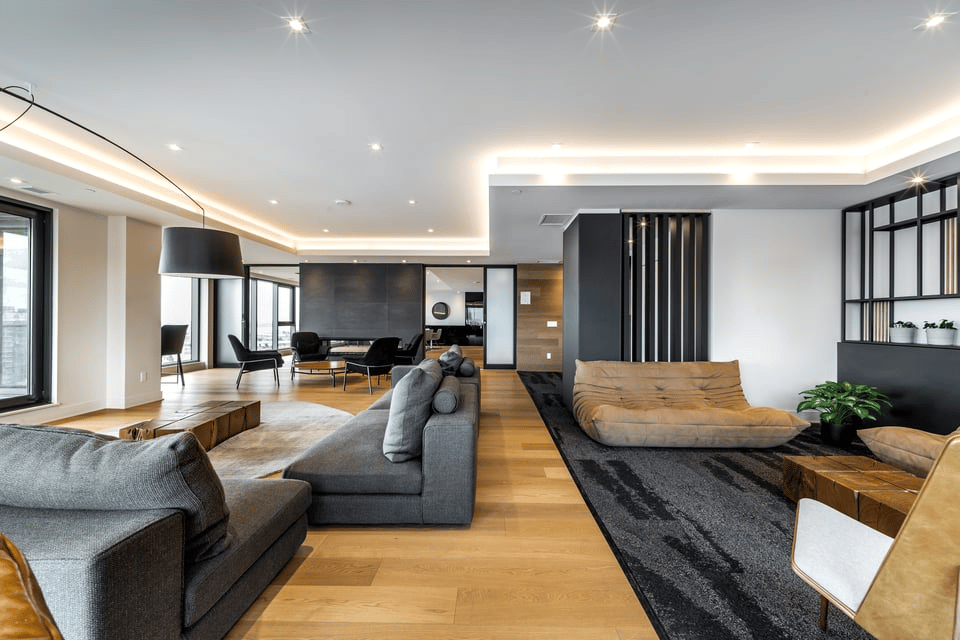
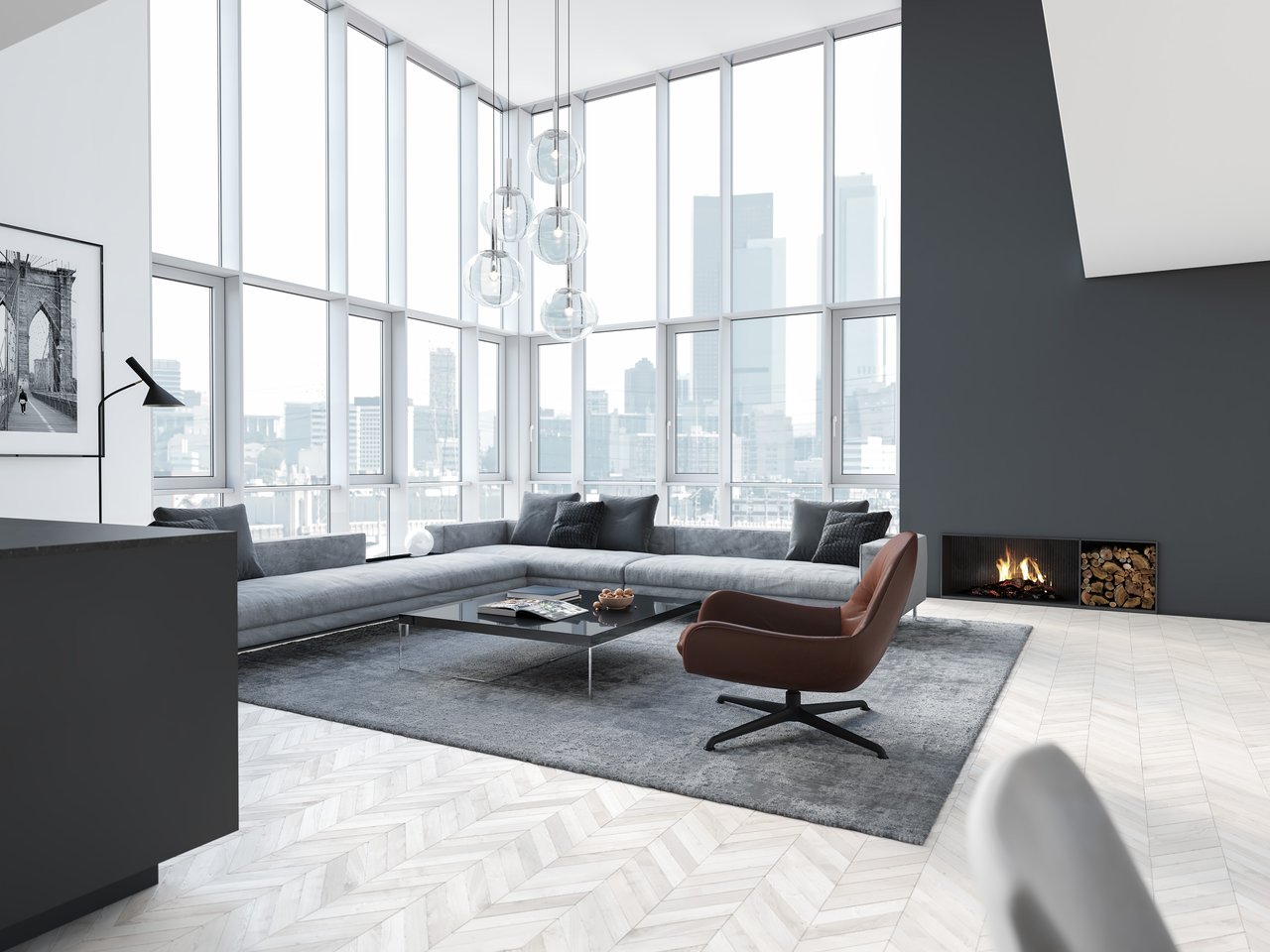
High-rises centralize convenience with elevators, doormen or concierge staff, package rooms, and fitness facilities. Climate-controlled common areas are a plus, and many buildings offer on-site or attached parking. Upper floors can deliver strong views and less street noise. You should plan for elevator wait times and understand building egress during emergencies.
Cost of ownership and renting
High-rise units often command price premiums for views, amenities, newer systems, and larger footprints. Walk-up condos tend to have lower purchase prices and monthly dues. That said, every building is different. Compare two real units to understand assessment levels, what utilities are included, reserve strength, and recent or upcoming capital projects.
When reviewing dues, look at what they cover. Many high-rises include staffing, gym operations, elevator maintenance, common-area climate control, and sometimes utilities like heat or water. Smaller walk-up associations may keep dues low, but a roof, masonry, or foundation project can lead to a special assessment. Property taxes depend on assessed value and exemptions rather than building type. Confirm insurance structures too, including whether the master policy is all-in or bare-walls and what your HO-6 should cover.
Governance and building management
Condo boards set rules on pets, leasing, and short-term rentals, and they manage reserves and repairs. A small walk-up association may be self-managed with tight budgets. Newer or larger high-rises typically engage professional management and support robust capital planning, which affects dues. Review board minutes, budgets, reserve studies, special assessment histories, and any litigation before you buy. These documents reveal how the building handles maintenance and owner concerns.
Transit, parking, and location tradeoffs
Lake View’s transit access is a strong value driver. Several CTA L lines and bus routes along Clark, Broadway, and Belmont support car-light living. If you drive often, evaluate garage availability in high-rises and on-street permit conditions around walk-ups. Proximity to active commercial corridors brings convenience but can increase traffic and noise, especially near event areas like Wrigleyville. Side streets often feel calmer and more residential.
Parks, lakefront, and recreation
Access to Lake Michigan, Waveland Park, and Belmont Harbor is a major lifestyle benefit. Homes with lake or park views tend to command premiums, particularly in high-rises near the shoreline. If outdoor time is a priority, weigh how often you will use the paths and parks and how far you want to walk from your building to reach them.
Safety and building systems
Older walk-ups may lack modern sprinkler systems and central HVAC. High-rises are subject to more complex fire and elevator inspections and code requirements. For any building, check recent permits, code compliance, inspection results, and engineering reports to understand system condition and life-safety upgrades. This is routine due diligence and helps you anticipate future costs.
Buyers vs renters: what to prioritize
If you are buying
- Confirm association reserves, budget health, and special assessment history.
- Review board minutes, rules, and owner-occupancy and rental ratios.
- Verify building permits, inspections, and any open violations.
- Ask about mechanical systems, facade work, elevators, window condition, and water infiltration history.
- Compare monthly costs apples to apples, including what dues cover and projected capital needs.
If you are renting
- Compare rent, utilities, amenity value, and pet policies to your lifestyle.
- Ask management about recent renovations, maintenance response times, and package handling.
- Check proximity to your daily transit lines and typical noise levels on evenings and event days.
- Evaluate building rules on move-ins, leasing terms, and renewal options that support your plans.
Practical Lake View due diligence checklist
Building-level
- Reserve study and financial statements
- Annual budget, recent board minutes, and any pending litigation
- Special assessment history and reasons
- Management agreement and contact
- Owner-occupancy and rental ratios
- Permit and violation checks
- Master insurance coverage and limits
- Elevator and fire inspection records
Unit-level
- Permits for any recent remodels
- HVAC, plumbing, and electrical age and condition
- Window and facade condition, especially on upper floors
- Any history of water intrusion
- Independent inspection report
Neighborhood-level
- Distance to nearest L stations and bus lines
- Parking availability, including permit rules
- Typical noise on event days near Wrigley Field
- Distance to parks, lakefront paths, and commercial corridors
- Planned developments nearby
Financing checks
- Lender acceptance of the association and any required certifications
- Down payment requirements for the building type
- Limits tied to rental ratios or commercial components
How to choose with confidence
Start with your lifestyle needs, then match them to the right building type and address. If you value in-building convenience, views, and structured parking, a high-rise near the lake or main corridors may fit. If you prefer a quieter block, lower monthly dues, and a closer street-level connection, a walk-up on a side street could be ideal.
You do not need to make this call alone. An experienced local advisor can help you compare specific buildings, read through board documents, and line up unit-level inspections to protect your investment. For a tailored plan that aligns with your goals, connect with Vikes RE for guidance across condo sales, leasing, and relocation support, backed by responsive, boutique service.
FAQs
Are HOA fees higher in Lake View high-rises?
- In general they are higher because high-rises fund elevators, staffing, and amenities. Always compare what dues include and the association’s reserves and project history.
Is a third-floor walk-up practical if I have mobility concerns?
- Walk-ups often lack elevators and can be challenging for anyone with mobility limitations. Consider elevator buildings or lower-floor options that support aging in place.
Which rents faster in Lake View, a walk-up or a high-rise?
- It depends on renter profile and location. Units near transit and nightlife appeal to young professionals, while family-sized units near parks and schools can attract longer-term tenants.
What condo documents should I review before buying in Lake View?
- Review bylaws and rules, recent board minutes, budgets, reserve studies, special assessment histories, master insurance details, inspection reports, and permit and violation records.
How does living near Wrigley Field affect daily life?
- You gain convenience to events and entertainment, but you may experience more traffic, crowds, and noise on game and concert days. Visit during event times to assess your comfort level.